
 Elizabeth
Understanding Global Trade and Supply Chain Disruptions
Global trade, the intricate web of goods and services exchanged across borders, forms the backbone of our interconnected world. It fuels economic growth, fosters innovation, and provides consumers with access to a vast array of products. At its heart lies the supply chain, a complex network of organizations, people, activities, information, and resources involved in moving a product or service from supplier to customer. These chains are marvels of modern logistics, designed for efficiency and cost-effectiveness. However, their very interconnectedness makes them vulnerable to disruptions, events that can halt, delay, or reroute the flow of goods, impacting businesses and individuals alike.
Historically, supply chains have faced challenges, from the Suez Canal blockage in 1956 to the oil crises of the 1970s. Each event underscored the delicate balance of global logistics and the ripple effects when that balance is disturbed. Understanding these fundamental concepts is crucial to navigating the complexities of today’s global marketplace.
The Fundamentals of Global Trade and Supply Chains
Global trade involves the international exchange of goods and services, driven by comparative advantages, specialization, and consumer demand. A supply chain, on the other hand, is the entire process from raw material sourcing to final product delivery. This includes manufacturing, transportation, warehousing, and distribution. Efficiency is often the primary goal, leading to lean inventories and just-in-time delivery models.
Common Types of Supply Chain Disruptions
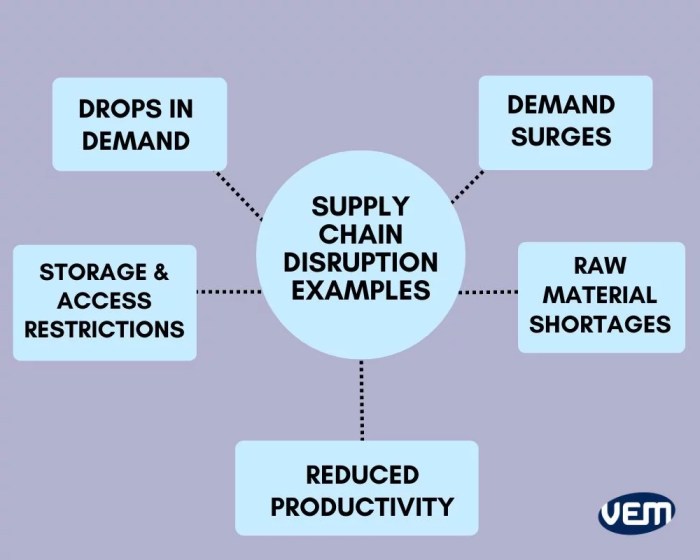
Disruptions can manifest in various forms, ranging from natural disasters like earthquakes and hurricanes that cripple infrastructure, to man-made events such as geopolitical conflicts that close trade routes, or even labor strikes that halt production. Technological failures, cyberattacks, and pandemics can also bring entire supply chains to a standstill.
A Look Back at Major Supply Chain Disruptions
The world has witnessed significant disruptions throughout history. The 2011 Fukushima Daiichi nuclear disaster in Japan, for instance, severely impacted the global automotive and electronics industries due to its effect on component manufacturing. More recently, the COVID-19 pandemic exposed the fragility of global supply chains on an unprecedented scale, highlighting dependencies and bottlenecks that had previously gone unnoticed.
The Current Global Trade Landscape and Key Players
Today’s global trade is a dynamic arena shaped by powerful economic forces and intricate international collaborations. Major economic powers continue to exert significant influence, driving trade flows through their production capabilities, consumption patterns, and investment strategies. Understanding these dynamics is key to grasping the current state of global commerce.
Major Economic Powers Shaping Global Trade
The United States and China remain central figures, their bilateral trade relationships and policies having a profound impact worldwide. The European Union, as a collective economic bloc, also plays a critical role. Emerging economies, particularly in Asia, are increasingly contributing to global trade volumes, shifting manufacturing hubs and creating new consumer markets.
The Role of International Organizations in Trade, Daily business news: Global Trade and Supply Chain Disruptions Explained
International organizations serve as vital facilitators and regulators of global trade. The World Trade Organization (WTO) sets the rules for international trade, aiming to ensure that trade flows as smoothly, predictably, and freely as possible. Other bodies, like the International Monetary Fund (IMF) and the World Bank, also influence trade policies and provide financial assistance that impacts trade dynamics.
Significance of Trade Agreements
Trade agreements, both bilateral and multilateral, are instrumental in shaping trade relationships. Agreements like the United States-Mexico-Canada Agreement (USMCA) or the Comprehensive and Progressive Agreement for Trans-Pacific Partnership (CPTPP) reduce tariffs, harmonize regulations, and create more predictable trading environments for member countries, thereby boosting trade volumes and economic integration.
Countries with the Largest Import and Export Volumes
The landscape of global trade is dominated by a few key players in terms of volume.
- Top Exporting Countries (by value): China, United States, Germany, Netherlands, Japan.
- Top Importing Countries (by value): United States, China, Germany, Japan, United Kingdom.
These figures highlight the concentration of manufacturing and consumption power in specific regions.
Drivers of Current Supply Chain Disruptions
The interconnectedness of global supply chains, while fostering efficiency, also makes them susceptible to a multitude of disruptive forces. These drivers, ranging from geopolitical tensions to environmental challenges, can create significant bottlenecks and uncertainty. Understanding these root causes is the first step toward building more resilient systems.
Geopolitical Events and Supply Chain Stability
Geopolitical events, such as trade wars, political instability in key regions, or armed conflicts, can have immediate and far-reaching consequences on supply chains. For example, sanctions imposed on a nation can disrupt the flow of specific goods, forcing businesses to seek alternative sources and routes, often at a higher cost and with greater lead times.
Natural Disasters and Extreme Weather
The increasing frequency and intensity of natural disasters and extreme weather events pose a significant threat to logistics. Floods can inundate transportation routes, earthquakes can damage ports and warehouses, and severe storms can halt shipping and air cargo. The impact extends beyond immediate damage, often leading to prolonged recovery periods and rerouting of goods.
Labor Shortages and Strikes
A critical component of any supply chain is its human workforce. Labor shortages, whether due to demographic shifts, skill gaps, or health crises, can lead to production slowdowns and increased operational costs. Strikes by port workers, truck drivers, or factory employees can create significant bottlenecks, delaying the movement of goods across the entire chain.
Technological Failures and Cyberattacks
While technology is a key enabler of modern supply chains, it also presents vulnerabilities. System failures, software glitches, or, more critically, cyberattacks can cripple operations. A ransomware attack on a logistics provider, for instance, could halt tracking systems, disrupt inventory management, and delay shipments for numerous businesses.
Pandemic-Related Disruptions Versus Other Causes
The COVID-19 pandemic provided a stark, large-scale illustration of how a global health crisis can disrupt supply chains. Lockdowns, factory closures, and transportation restrictions led to widespread shortages and delays. While pandemics represent a unique and pervasive threat, it’s important to note that other disruptions, like geopolitical tensions or natural disasters, often have more localized but equally severe impacts on specific segments of the supply chain. The pandemic’s impact was characterized by its simultaneous, global nature and its effect on both supply and demand.
Impact on Businesses and Consumers
Supply chain disruptions are not abstract concepts; they have tangible and often significant consequences for both the businesses that operate within them and the consumers who rely on their output. These impacts can ripple through the economy, affecting profitability, product availability, and the overall cost of goods.
Business Operational Costs and Profitability
When supply chains falter, businesses face increased operational costs. This can include higher transportation fees due to rerouting, increased warehousing expenses to hold more inventory as a buffer, and the cost of sourcing from more expensive alternative suppliers. These added costs directly impact profit margins, and in some cases, can lead to reduced production or even business closures if not managed effectively.
Ripple Effects on Product Availability and Lead Times
For consumers, disruptions translate into less predictable product availability and longer lead times. The shelves might be emptier, popular items might be out of stock for extended periods, and the time it takes to receive an order can stretch significantly. This can lead to frustration, lost sales opportunities for businesses, and a decline in consumer satisfaction.
Strategies for Mitigating Impacts
Businesses are actively developing strategies to navigate these challenges. Many are investing in greater supply chain visibility, allowing them to better anticipate and respond to disruptions. Diversifying suppliers, both geographically and in terms of the number of partners, is another common tactic. Some companies are also exploring regionalization or nearshoring of production to reduce reliance on distant manufacturing hubs.
Typical Cost Increases for Common Consumer Goods
The cost of disruptions often trickles down to the consumer in the form of higher prices.
| Consumer Good | Typical Cost Increase Due to Disruptions (Estimated) |
|---|---|
| Electronics (e.g., smartphones, laptops) | 5-15% |
| Automotive Parts and Vehicles | 10-20% |
| Groceries and Packaged Foods | 3-8% |
| Apparel and Textiles | 4-10% |
| Home Appliances | 7-12% |
These figures are estimates and can vary significantly based on the specific product, the nature of the disruption, and the duration of its impact.
Specific Industry Case Studies: Daily Business News: Global Trade And Supply Chain Disruptions Explained
The impact of supply chain disruptions is not uniform; different industries face unique challenges and vulnerabilities due to their specific operational models, product complexities, and global footprints. Examining these case studies provides valuable insights into the diverse nature of these disruptions.
Automotive Industry Challenges
The automotive sector is notoriously complex, with intricate supply chains involving thousands of components sourced globally. A shortage of a single, critical component, like semiconductors, can bring an entire assembly line to a halt. The industry’s reliance on just-in-time manufacturing makes it particularly sensitive to any interruption in the flow of parts, leading to significant production delays and substantial financial losses.
Electronics Manufacturing Sector Disruptions
Electronics manufacturing is characterized by rapid technological advancements and a globalized production network. Disruptions can arise from shortages of raw materials, such as rare earth minerals, or from issues at key manufacturing hubs, often concentrated in specific regions. The highly competitive nature of the electronics market means that even minor delays can result in lost market share.
Pharmaceutical Supply Chain Vulnerabilities
The pharmaceutical supply chain is critical for global health and safety, making its reliability paramount. Disruptions can stem from the sourcing of active pharmaceutical ingredients (APIs), often concentrated in a few countries, or from complex cold chain logistics required for many medications. Regulatory hurdles and the need for stringent quality control add further layers of complexity and potential for delay.
Food and Beverage Industry Resilience Strategies
The food and beverage industry, while also susceptible to disruptions, has often demonstrated greater resilience. This is partly due to its often more localized sourcing and distribution networks, as well as the essential nature of its products, which sometimes allows for prioritization during crises. Strategies like building larger buffer stocks of non-perishable goods and fostering strong relationships with local farmers have helped mitigate some impacts.
Examples of Product Shortages and Their Origins
Recent years have seen numerous examples of product shortages, each with a distinct origin:
- Semiconductor Chips: Shortages impacted automotive manufacturing and consumer electronics due to a surge in demand during the pandemic and production limitations.
- Wood Pulp and Paper Products: Disruptions in logging and manufacturing, coupled with increased demand for e-commerce packaging, led to shortages.
- Certain Food Staples (e.g., cooking oil, grains): Geopolitical events in major producing regions, such as the conflict in Ukraine, significantly impacted global supply and prices.
- Building Materials (e.g., lumber, steel): Increased construction activity combined with supply chain bottlenecks and labor shortages created widespread material scarcity.
Emerging Trends and Future Outlook
The ongoing challenges in global trade and supply chains are driving innovation and a re-evaluation of traditional operating models. Several emerging trends are shaping the future, aiming to create more robust and responsive systems that can better withstand inevitable disruptions.
Growing Importance of Supply Chain Visibility and Transparency
A key lesson from recent disruptions is the need for greater visibility. Businesses are increasingly demanding real-time data on the location, status, and condition of goods throughout the supply chain. This transparency allows for quicker identification of issues, better decision-making, and more proactive responses to potential problems, moving from a reactive to a predictive approach.
Adoption of Advanced Technologies
Technologies like Artificial Intelligence (AI) and blockchain are becoming integral to modern supply chain management. AI can optimize routing, forecast demand with greater accuracy, and identify potential risks. Blockchain offers a secure and immutable ledger for tracking goods, enhancing transparency and trust among trading partners. These technologies are transforming how supply chains operate, making them more intelligent and efficient.
Shift Towards Regionalization and Nearshoring
To reduce reliance on long, complex global supply chains, many companies are exploring regionalization and nearshoring. This involves moving production closer to end markets, shortening transit times, and diversifying manufacturing locations. While it may involve higher initial costs, it offers greater resilience against geopolitical risks and transportation disruptions.
Potential Impact of Climate Change Policies
Climate change policies, such as carbon pricing or stricter environmental regulations, are poised to influence global trade routes. Companies may need to adapt to new shipping methods, invest in more sustainable logistics, and potentially reconfigure their supply chains to comply with evolving environmental standards. This could lead to shifts in where goods are produced and how they are transported.
A Scenario for a Resilient Future Supply Chain
Imagine a future where a major port experiences an unexpected closure due to extreme weather.
- Real-time alerts: AI-powered systems immediately detect the closure and notify all affected parties.
- Automated rerouting: Alternative ports and transportation modes (e.g., rail, air cargo) are automatically identified and booked based on pre-defined resilience plans.
- Dynamic inventory management: Buffer stocks strategically located in regional distribution centers are activated to meet immediate demand.
- Blockchain verification: The status and location of all goods are transparently tracked on a blockchain, ensuring no shipments are lost or forgotten.
- Collaborative response: All stakeholders, from suppliers to logistics providers and retailers, have access to the same information and coordinate their efforts seamlessly through a digital platform.
This scenario illustrates a supply chain that, rather than collapsing, adapts and continues to function effectively, minimizing the impact on businesses and consumers.
Strategies for Building Resilient Supply Chains
In an era of increasing uncertainty, building resilience within supply chains is no longer a competitive advantage, but a fundamental necessity. This involves a proactive approach to identifying vulnerabilities and implementing robust strategies to mitigate risks, ensuring continuity of operations even in the face of significant challenges.
A Framework for Assessing Supply Chain Vulnerabilities
A comprehensive assessment begins with mapping the entire supply chain, from raw material suppliers to the final customer. This involves identifying all critical nodes, understanding dependencies, and pinpointing single points of failure. Key areas to examine include supplier concentration, transportation route dependencies, geopolitical risks in sourcing regions, and the impact of potential natural disasters.
Diversifying Suppliers and Manufacturing Locations
A critical step in building resilience is to reduce reliance on a single supplier or a single geographic region. This means actively seeking out and vetting alternative suppliers, potentially in different countries or continents. Similarly, diversifying manufacturing locations, perhaps by establishing regional production hubs, can significantly mitigate the impact of localized disruptions.
Implementing Robust Inventory Management Systems
While lean inventory models prioritize efficiency, they can be fragile. Implementing more robust inventory management systems involves finding the right balance. This might include maintaining strategic buffer stocks of critical components or finished goods at key locations, using advanced forecasting to anticipate demand spikes, and employing technology to optimize inventory levels across the network.
Enhancing Communication and Collaboration
The effectiveness of a supply chain is directly proportional to the quality of communication and collaboration among its participants. Establishing clear communication channels, fostering trust, and sharing relevant information across the entire network are crucial. This can involve regular joint planning sessions, shared data platforms, and building strong, long-term relationships with key partners.
Best Practices for Risk Management
Effective risk management in supply chain operations requires a structured approach.
- Scenario Planning: Regularly conduct “what-if” analyses for various potential disruptions.
- Contingency Planning: Develop detailed action plans for each identified risk.
- Supplier Audits: Periodically assess the financial health and operational resilience of key suppliers.
- Insurance and Financial Buffers: Secure appropriate insurance coverage and maintain financial reserves to absorb unexpected costs.
- Continuous Monitoring: Implement systems for ongoing monitoring of global events and market conditions that could impact the supply chain.
These best practices help create a proactive and adaptable supply chain capable of navigating unforeseen challenges.
The Role of Technology in Navigating Disruptions
Technology is no longer just an enabler of efficiency; it’s a powerful tool for navigating the complexities and uncertainties of modern supply chains. From real-time tracking to advanced predictive analytics, technological solutions are proving invaluable in building resilience and responding effectively to disruptions.
Real-time Tracking and Monitoring Systems
Systems that provide real-time tracking and monitoring of goods offer unprecedented visibility. Knowing the exact location and status of shipments at any given moment allows businesses to anticipate delays, adjust schedules, and proactively communicate with customers. This level of insight is crucial for rerouting shipments, managing inventory effectively, and minimizing the impact of unexpected events.
Predictive Analytics in Demand Forecasting and Disruption Forecasting
Predictive analytics leverages historical data, market trends, and external factors to forecast future demand and, importantly, potential disruptions. By identifying patterns that might indicate an impending shortage of raw materials or a surge in transportation costs, businesses can make informed decisions to secure supplies or adjust production schedules before a disruption fully materializes.
Automation in Warehousing and Logistics
Automation, through robotics and intelligent systems, is transforming warehousing and logistics operations. Automated guided vehicles (AGVs) and robotic arms can speed up picking and packing processes, while automated sortation systems can enhance the efficiency of distribution centers. This not only increases speed and accuracy but also reduces reliance on manual labor, which can be a point of vulnerability during labor shortages or health crises.
Digital Twins for Simulation and Optimization
Digital twins, virtual replicas of physical supply chain assets or entire networks, offer a powerful platform for simulation and optimization. By creating a digital twin, companies can test various scenarios, such as the impact of a new supplier or a change in transportation routes, without affecting live operations. This allows for risk-free experimentation and the identification of optimal strategies for resilience.
Effectiveness of Different Technological Solutions
The adoption of technology offers varied benefits for supply chain resilience.
| Technological Solution | Primary Benefit for Resilience | Key Application |
|---|---|---|
| Real-time Tracking & Monitoring | Enhanced Visibility & Responsiveness | Shipment location, condition monitoring |
| Predictive Analytics | Proactive Risk Mitigation & Demand Planning | Forecasting shortages, optimizing inventory |
| Automation (Robotics/AI) | Increased Efficiency & Reduced Labor Dependency | Warehouse operations, logistics processes |
| Blockchain | Improved Transparency & Traceability | Product provenance, secure transaction logging |
| Digital Twins | Scenario Planning & Network Optimization | Simulation of disruptions, strategic network design |
Each technology plays a distinct role, and their combined implementation creates a more robust and adaptable supply chain ecosystem.
Daily business news: Global Trade and Supply Chain Disruptions Explained – Navigating global trade and supply chain disruptions can feel challenging, but it also sparks innovation. Discover how you can transform your expertise into resilient revenue streams by exploring Online Business Ideas That Convert Knowledge into Passive Income. This empowers you to adapt and thrive amidst evolving market dynamics, turning everyday business news into opportunities for growth.
Navigating the complexities of global trade and supply chain disruptions, as highlighted in daily business news, requires strategic foresight. Savvy institutional investors are keenly observing these shifts, understanding that adaptability in supply chains ultimately fosters robust economic growth and stability, even amidst current challenges.