 Elizabeth
The Power of Foresight: Navigating Long-Term Economic Trends for Investment Success: Daily Business News: Long-Term Economic Trends Investors Should Track
In the dynamic world of investing, staying ahead of the curve isn’t just an advantage; it’s a necessity. While short-term market fluctuations can be captivating, true wealth creation often lies in understanding and aligning with the deeper, more enduring shifts in the global economy. This is where the significance of tracking long-term economic trends truly shines, offering a compass to guide your investment decisions through the inevitable ebbs and flows of the market. By proactively understanding these overarching movements, investors can position themselves not just to react to change, but to capitalize on it.
The core concepts that define “long-term economic trends” in an investment context revolve around persistent, multi-year or even multi-decade shifts that fundamentally alter the landscape of industries, consumer behavior, and capital flows. These aren’t fleeting fads but powerful currents like technological evolution, demographic transformations, and evolving global power dynamics. Embracing a proactive approach means dedicating time to research, analysis, and strategic planning, allowing for thoughtful adjustments to your portfolio. This stands in stark contrast to a reactive approach, which often leads to hurried decisions made under pressure, potentially missing opportunities or incurring unnecessary risks. The benefits of foresight are clear: enhanced potential for growth, greater resilience against unforeseen shocks, and the confidence that comes from making informed, strategic choices.
Identifying Key Macroeconomic Indicators
Understanding the pulse of the economy requires a keen eye on several crucial macroeconomic indicators. These are the vital signs that reveal the overall health and direction of an economy, offering valuable insights for investors looking to make informed decisions. Tracking these indicators allows for a more nuanced understanding of potential future economic trajectories.
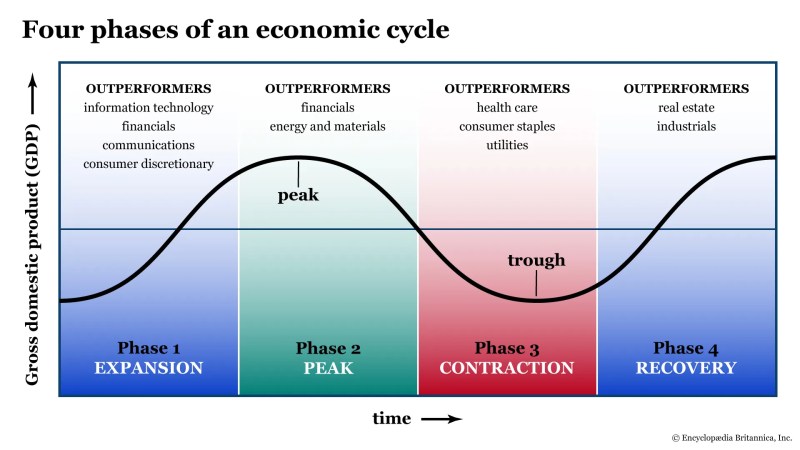
Changes in Gross Domestic Product (GDP) growth rates offer a fundamental barometer of economic expansion or contraction. A consistently rising GDP often signals a healthy economy, potentially boosting corporate earnings and driving up stock prices across various sectors. Conversely, a slowing or negative GDP growth rate can indicate economic headwinds, impacting investor confidence and potentially leading to declines in asset values. The impact can be felt differently across asset classes: equities may see reduced growth prospects, while bonds might become more attractive as investors seek safer havens. Real estate values can also be influenced, with strong economic growth typically supporting property appreciation.
The relationship between inflation rates and purchasing power is a cornerstone of economic understanding. High inflation erodes the value of money, meaning your savings and future earnings buy less. For investors, this necessitates strategies that aim to outpace inflation, such as investing in assets that have historically shown a capacity to grow faster than the rate of price increases. Central bank interest rate policies play a pivotal role in shaping these economic environments. When central banks raise interest rates, borrowing becomes more expensive, which can cool down an overheating economy and curb inflation. Conversely, lowering interest rates aims to stimulate economic activity by making borrowing cheaper. These policy decisions have ripple effects across all financial markets, influencing everything from mortgage rates to corporate bond yields.
Demographic Shifts and Their Economic Impact, Daily business news: Long-Term Economic Trends Investors Should Track
The changing face of our global population is a powerful, albeit often gradual, force shaping economies. Understanding demographic shifts—such as population growth, aging, and migration patterns—is crucial for anticipating future economic landscapes and identifying long-term investment opportunities. These are not abstract figures but tangible forces that influence labor markets, consumer demand, and the very fabric of societies.
Population growth, for instance, can expand the consumer base and labor force, potentially driving economic expansion. However, the composition of that population is equally important. Aging populations, a trend seen in many developed nations, present unique economic challenges and opportunities. The increasing demand for healthcare services, pharmaceuticals, and elder care facilities presents significant growth potential for companies operating in these sectors. Simultaneously, a larger elderly population can strain pension systems and may lead to shifts in consumption patterns, with a greater focus on services and leisure.
Migration patterns also play a vital role, often revitalizing labor markets and bringing new consumer demands to host countries. Urbanization trends, the ongoing movement of people from rural to urban areas, continue to reshape economies. This concentration of populations fuels demand for housing, infrastructure development, and urban services, creating fertile ground for investments in real estate, construction, and urban planning. Furthermore, recognizing and understanding the economic potential of emerging demographic segments, such as the growing middle class in developing economies or the influence of Gen Z consumers, offers forward-thinking investors a competitive edge.
Technological Advancements and Innovation
Innovation is the engine of progress, and in today’s world, technological advancements are accelerating at an unprecedented pace. These developments are not merely incremental improvements; they are often disruptive forces that reshape entire industries, create entirely new ones, and unlock vast new investment opportunities. Keeping a pulse on these innovations is essential for any investor seeking long-term growth.
The concept of the “innovation cycle” is key here. It describes the lifecycle of a new technology, from its nascent stages through rapid adoption and eventual maturity or disruption by the next wave of innovation. Understanding where a technology sits within its cycle can significantly impact market valuations and investment strategies. For example, early-stage investments in truly disruptive technologies carry higher risk but also offer the potential for exponential returns, while investments in more mature, albeit still growing, technologies might offer more stable, albeit potentially lower, growth.
Automation and artificial intelligence (AI) are prime examples of technologies transforming productivity across nearly every sector. From optimizing manufacturing processes and supply chains to revolutionizing customer service and data analysis, AI is enhancing efficiency and creating new business models. Designing a framework for assessing the long-term viability of technology-driven businesses involves looking beyond the hype. It requires evaluating the strength of the underlying technology, the market adoption potential, the competitive landscape, the management team’s vision, and the scalability of the business model. Companies that successfully navigate these aspects are poised to be the long-term winners.
Geopolitical Factors and Global Trade
The interconnectedness of the modern world means that geopolitical factors and global trade dynamics are intrinsically linked to economic performance and investment climates. International relations, political stability, and the ebb and flow of trade policies can create significant opportunities and risks for investors. Understanding these forces is paramount for navigating the global economic landscape.
International relations and political stability act as foundational elements for investment. Regions with strong diplomatic ties and predictable governance tend to attract more capital and foster more robust economic growth. Conversely, geopolitical tensions, conflicts, or sudden shifts in political alliances can create uncertainty, disrupt supply chains, and deter investment. The impact of trade agreements and protectionist policies on global supply chains is profound. Free trade agreements can open up new markets and reduce costs, fostering efficiency and growth. However, protectionist measures, such as tariffs and trade barriers, can disrupt these chains, increase costs for businesses, and potentially lead to retaliatory actions, impacting industries and economies worldwide.
Geopolitical conflicts, even those seemingly distant, can have significant economic consequences and ripple effects. These can range from disruptions in energy supplies and commodity prices to increased defense spending and shifts in global investment flows. Organizing potential scenarios for how geopolitical shifts might affect emerging markets is a strategic exercise. For instance, increased regional cooperation could boost growth in certain developing economies, while heightened global tensions might lead to capital flight and economic instability in others. Investors must remain attuned to these evolving dynamics to adapt their strategies accordingly.
Environmental, Social, and Governance (ESG) Factors
In recent years, Environmental, Social, and Governance (ESG) considerations have moved from the periphery to the core of long-term investment strategies. Investors are increasingly recognizing that a company’s commitment to sustainability, ethical practices, and sound governance is not just about corporate responsibility; it’s a critical indicator of its long-term resilience, risk management, and potential for sustained value creation.
Climate change risks, for example, are no longer abstract future concerns but tangible present-day realities impacting various industries and sectors. Companies heavily reliant on fossil fuels face transition risks, while those in agriculture or coastal regions are exposed to physical risks from extreme weather events. Conversely, businesses focused on renewable energy, sustainable agriculture, and climate adaptation technologies are positioned to benefit. The link between corporate governance practices and investor confidence is equally strong. Strong governance, characterized by transparent reporting, independent boards, and ethical leadership, fosters trust and stability, making a company a more attractive investment. Poor governance, on the other hand, can signal underlying risks and deter investment.
Social factors, such as fair labor practices, diversity and inclusion initiatives, and community engagement, are also becoming critical for business sustainability. Companies that prioritize the well-being of their employees and operate ethically are often more innovative, have higher employee retention, and enjoy stronger brand reputations. These positive social impacts can translate into improved financial performance and long-term value for shareholders. Integrating ESG factors into investment analysis provides a more holistic view of a company’s potential for success and its ability to navigate the complex challenges of the 21st century.
Resource Scarcity and Sustainability
The finite nature of many of our planet’s resources presents a fundamental challenge and a significant area of focus for long-term economic stability and investment strategy. Identifying key natural resources whose availability and pricing are critical for economic health is the first step in understanding these dynamics. Commodities like water, rare earth minerals, fertile land, and certain energy sources are essential inputs for a vast array of industries.
The economic implications of transitioning to renewable energy sources are immense. While the initial investment in infrastructure and technology can be substantial, the long-term benefits include reduced reliance on volatile fossil fuel markets, decreased carbon emissions, and the creation of new industries and jobs. This transition represents a major investment theme for the coming decades. The concept of a circular economy, which emphasizes minimizing waste and maximizing the reuse of resources, offers significant potential for investment. Businesses that can design products for longevity, facilitate repair and reuse, and develop efficient recycling processes are well-positioned for growth in a world increasingly focused on resource efficiency.
Water scarcity, in particular, is emerging as a critical global issue with profound economic consequences. Its impact on agricultural productivity, industrial processes, and even energy generation cannot be overstated. Industries heavily reliant on water, such as agriculture, manufacturing, and mining, face significant risks and will need to adapt through more efficient water management practices and innovative technologies. Investors who understand these resource constraints and the strategies for addressing them will be better equipped to identify resilient and forward-looking investment opportunities.
Future of Work and Labor Market Dynamics
The very nature of work is undergoing a profound transformation, driven by technological advancements, evolving societal expectations, and global events. Understanding how evolving work models, such as remote work and the gig economy, are reshaping employment is crucial for anticipating future economic productivity and identifying investment themes. These shifts are not just about where we work, but how we work, the skills required, and the structure of organizations themselves.
The rise of remote work and the gig economy offers greater flexibility for individuals but also presents challenges for traditional employment structures and requires new approaches to management, collaboration, and employee benefits. The impact of skills gaps and the need for continuous learning on economic productivity are becoming increasingly apparent. As industries evolve rapidly, the skills required in the workforce must keep pace. A mismatch between available skills and industry demands can hinder productivity and economic growth. Therefore, the role of education and training in adapting to future labor market demands is paramount.
Investing in lifelong learning platforms, vocational training initiatives, and companies that facilitate reskilling and upskilling will be increasingly important. These investments are not just about social good; they are about building a more adaptable and productive workforce capable of meeting the challenges of the future. Potential investment themes related to the future of work include companies providing remote work infrastructure, platforms for freelance talent, educational technology, and solutions for employee development and well-being.
Emerging Markets and Global Economic Power Shifts
The global economic landscape is in constant flux, with emerging markets playing an increasingly significant role. Understanding the growth potential of these economies and the factors driving shifts in global economic power is essential for investors seeking diversification and higher growth prospects. These markets often present unique opportunities, but also come with their own set of risks that require careful consideration.
Key emerging economies, driven by factors such as large and young populations, growing middle classes, and increasing urbanization, are poised for significant expansion. This growth translates into expanding consumer markets and increasing demand for goods and services. The factors driving shifts in global economic power are multifaceted, including technological innovation, demographic trends, and evolving trade relationships. As these economies mature, they are not only becoming major consumers but also significant producers and innovators, altering the traditional balance of global economic influence.
Investing in developing nations offers the potential for higher returns, but it’s crucial to approach these markets with a clear understanding of the associated risks. These can include political instability, currency fluctuations, regulatory uncertainties, and less developed financial infrastructure. However, by carefully identifying sectors poised for significant growth within these emerging markets—such as technology, consumer staples, infrastructure, and healthcare—investors can strategically position themselves to benefit from this ongoing global economic transformation.
Incorporating Trend Analysis into Investment Portfolios
Successfully navigating long-term economic trends requires a structured approach to integrating this analysis into your investment decision-making framework. It’s not enough to simply identify trends; the real value lies in translating that understanding into actionable investment strategies. This involves a systematic process of research, evaluation, and portfolio construction.
A robust process for integrating long-term trend analysis into an investment framework begins with continuous monitoring and research. This involves staying informed about macroeconomic indicators, demographic shifts, technological advancements, geopolitical developments, ESG considerations, and resource dynamics. Once trends are identified, the next step is to assess their potential impact on different industries and asset classes. Methods for diversifying portfolios to capture opportunities across various trends are essential for managing risk. This could involve allocating capital to companies at different stages of adoption for a particular trend, or investing across multiple sectors that are expected to benefit from the same underlying shift.
Detailing how to assess the resilience of an investment portfolio against potential long-term economic disruptions is crucial. This involves stress-testing your portfolio under various adverse scenarios and ensuring it has the capacity to withstand significant shocks. Finally, organizing a sample portfolio allocation strategy based on identified long-term trends can provide a tangible roadmap. For instance, a portfolio might overweight technology and renewable energy while strategically allocating to healthcare and consumer staples in anticipation of demographic shifts and a growing middle class in emerging markets. The goal is to build a portfolio that is not only poised for growth but also built to endure.
Daily business news: Long-Term Economic Trends Investors Should Track – As we explore the vital long-term economic trends investors should track, it’s exciting to see how strategic moves are shaping the future. The dynamic landscape is constantly evolving, with Daily business news: Mergers and Acquisitions Reshaping Industries highlighting significant shifts. Understanding these industry transformations is key to navigating the broader long-term economic trends and uncovering promising opportunities.
Staying ahead by tracking long-term economic trends is crucial for smart investing. This proactive approach is deeply intertwined with effective corporate strategy leadership , as visionary leaders shape how businesses adapt to these shifts. By understanding these trends and strong leadership, investors can better anticipate future market movements and opportunities.