
 Elizabeth
Understanding the Core Concept: Innovation Trends Defining the Next Decade
The business world is in a constant state of flux, driven by a relentless pursuit of progress and improvement. At the heart of this evolution lie “innovation trends.” In a business context, these trends represent shifts in technology, consumer behavior, market dynamics, and societal values that have the potential to fundamentally alter how companies operate, compete, and create value. They are not fleeting fads but rather powerful currents that, when understood and harnessed, can propel businesses forward, shaping their trajectory for years to come.
These trends are “defining the next decade” because they are creating new opportunities and challenges at an unprecedented pace. Businesses that can accurately identify and adapt to these emerging patterns will be best positioned to thrive, while those that lag behind risk obsolescence. The next ten years will likely be characterized by rapid technological integration, evolving customer expectations, and a heightened focus on sustainable and ethical practices, all of which are being shaped by these overarching innovation trends.
History is replete with examples of innovation trends that significantly reshaped industries. The advent of the internet, for instance, didn’t just create a new communication channel; it fundamentally redefined retail with e-commerce, revolutionized media consumption, and spawned entirely new industries. Similarly, the mobile revolution put computing power and constant connectivity into the hands of billions, transforming how we interact with information, services, and each other. The shift from analog to digital photography, the rise of streaming services, and the widespread adoption of cloud computing are all testaments to the transformative power of innovation trends.
However, identifying and adapting to future trends is far from simple. Businesses often face inherent challenges, including the sheer speed of change, the difficulty in predicting which nascent technologies will achieve critical mass, and the internal resistance to adopting new ways of working. Overcoming inertia, investing in the right areas, and fostering a culture that embraces change are crucial hurdles that businesses must navigate to stay ahead of the curve.
The Fundamental Meaning of Innovation Trends
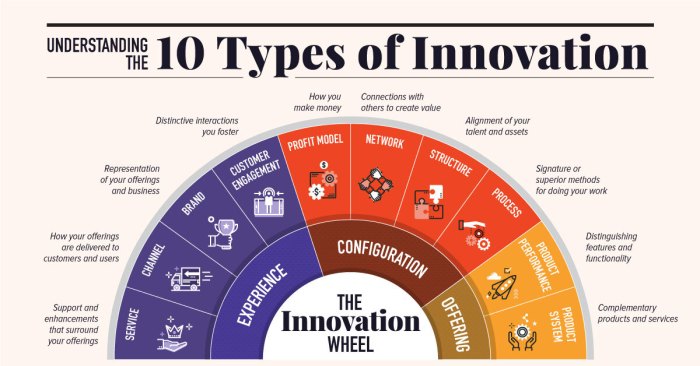
Innovation trends are the discernible patterns of change that influence business strategy and operations. They represent the collective direction in which technology, consumer preferences, and market forces are moving, offering both opportunities for growth and threats to existing business models. Understanding these trends allows businesses to anticipate future shifts and proactively align their strategies.
How Trends Define the Next Decade
The next decade will be profoundly shaped by innovation trends as they dictate the adoption of new technologies, influence consumer demands for personalized and sustainable products, and necessitate agile business models. Companies that can anticipate and integrate these trends will gain a significant competitive advantage, defining new market standards and customer experiences.
Examples of Past Reshaping Innovation Trends
The internet’s emergence revolutionized commerce and communication. The mobile revolution transformed personal and professional connectivity. The rise of cloud computing enabled scalable and accessible digital infrastructure, fundamentally altering IT operations for businesses of all sizes.
Challenges in Identifying and Adapting to Future Trends
Businesses face challenges such as the rapid pace of technological advancement, the uncertainty in predicting the success of emerging technologies, and the internal inertia that often resists significant change. Overcoming these requires robust foresight, strategic investment, and a culture that values adaptability and continuous learning.
Identifying Key Innovation Pillars for the Next Decade
As we peer into the next decade, several technological innovation pillars are poised to dominate the business landscape, acting as foundational elements for future growth and disruption. These pillars are not isolated phenomena but rather interconnected forces that, when leveraged synergistically, can unlock unprecedented potential. Understanding these core areas is crucial for any business aiming to remain relevant and competitive.
The pillars we will explore represent the cutting edge of technological advancement, promising to redefine industries and create new markets. They offer the tools and capabilities that will enable businesses to operate more efficiently, engage with customers more deeply, and solve complex problems in novel ways.
Major Technological Innovation Pillars for the Next Decade
The next ten years will be significantly influenced by the maturation and widespread adoption of several key technological pillars. These are the bedrock upon which future business innovation will be built.
Artificial Intelligence (AI) and Machine Learning (ML)
AI and ML are no longer futuristic concepts; they are rapidly becoming integrated into the fabric of business operations. Their ability to process vast amounts of data, identify patterns, and make intelligent decisions is transforming everything from customer service to product development.
Current and Poised Applications
Currently, AI and ML are powering personalized recommendations on e-commerce platforms, optimizing supply chain logistics, and enhancing cybersecurity through anomaly detection. In the coming decade, we can expect widespread adoption in areas like predictive maintenance for industrial equipment, sophisticated medical diagnostics, and hyper-personalized educational experiences. Imagine AI assistants managing complex schedules, optimizing energy consumption in smart cities, or even contributing to scientific discovery by analyzing massive datasets.
Internet of Things (IoT) and Edge Computing
The proliferation of connected devices, forming the Internet of Things, coupled with the processing power moving closer to the data source via edge computing, is creating a hyper-connected world. This allows for real-time data collection and analysis, leading to greater efficiency and new service possibilities.
Current and Poised Applications
Today, IoT is evident in smart homes, wearable fitness trackers, and industrial sensors monitoring equipment performance. Edge computing is crucial for enabling these devices to process data locally, reducing latency and bandwidth requirements. In the next decade, we will see extensive use in smart agriculture for precision farming, autonomous vehicle networks requiring instant decision-making, and advanced healthcare monitoring systems that can alert professionals to critical changes in patient conditions without constant cloud connectivity.
Extended Reality (XR) – Including Virtual Reality (VR) and Augmented Reality (AR)
Extended Reality, encompassing both immersive Virtual Reality and overlaying digital information onto the real world with Augmented Reality, offers new ways for humans to interact with digital content and each other. This technology has the potential to revolutionize training, design, collaboration, and entertainment.
Current and Poised Applications
Currently, VR is used for immersive gaming and training simulations in high-risk industries like aviation and medicine. AR is finding applications in retail for virtual try-ons, in manufacturing for guided assembly, and in navigation. The next decade will likely see XR become integral to remote collaboration, allowing teams to work together in shared virtual spaces as if they were in the same room. It will also transform education, providing highly engaging and interactive learning experiences, and enable more intuitive ways to visualize complex data and product designs.
Impact of Innovation Pillars Across Business Sectors
The transformative power of these innovation pillars will resonate across virtually every business sector, albeit with varying degrees of impact and adoption timelines.
| Innovation Pillar | Retail | Healthcare | Manufacturing | Finance | Education |
|---|---|---|---|---|---|
| AI & ML | Hyper-personalization, predictive inventory, fraud detection | AI-driven diagnostics, drug discovery, personalized treatment plans | Predictive maintenance, quality control automation, optimized production | Algorithmic trading, personalized financial advice, risk assessment | Personalized learning paths, automated grading, intelligent tutoring |
| IoT & Edge Computing | Smart inventory management, real-time customer tracking, supply chain optimization | Remote patient monitoring, smart hospitals, asset tracking | Real-time equipment monitoring, smart factories, supply chain visibility | Real-time fraud detection, smart ATMs, secure transaction monitoring | Smart campus management, real-time attendance tracking |
| XR (VR/AR) | Virtual showrooms, immersive product experiences, enhanced customer support | Surgical training, patient education, remote diagnostics visualization | AR-guided assembly, virtual prototyping, remote expert assistance | Financial visualization, immersive training for complex products | Immersive learning environments, virtual field trips, hands-on simulations |
Interconnectedness and Synergistic Growth
The true power of these innovation pillars lies in their interconnectedness. AI can analyze the massive datasets generated by IoT devices. XR can provide intuitive interfaces for interacting with AI-driven insights or data from IoT sensors. For example, a smart factory (IoT) could use AI to predict equipment failure and then use AR to guide a technician through the repair process, all while generating data that further refines the AI’s predictive capabilities. This synergy fosters exponential growth, enabling businesses to achieve levels of efficiency, personalization, and insight that were previously unimaginable.
Disruptive Business Model Innovations
In today’s rapidly evolving marketplace, simply having a good product or service is often not enough. True long-term success hinges on embracing “disruptive business models.” These are innovative approaches to how a company creates, delivers, and captures value, often challenging established industry norms and incumbents. They are the engine that allows new players to emerge and existing ones to reinvent themselves, fundamentally altering the competitive landscape.
Disruptive business models are critical because they often address unmet needs or underserved markets in entirely new ways. They can make previously inaccessible products or services affordable and convenient, leading to rapid market penetration and a fundamental shift in consumer expectations. Companies that master this aspect of innovation are not just surviving; they are actively shaping the future of their industries.
The Concept of Disruptive Business Models
Disruptive business models are innovative ways of structuring a business that fundamentally change how value is created and delivered, often by targeting overlooked customer segments or offering simpler, more affordable, or more convenient alternatives to existing solutions. Their role in innovation is to challenge the status quo, create new markets, and redefine industry standards.
Case Studies of Successful Disruptive Models
Companies like Netflix, which disrupted the traditional video rental and later the cable television industry with its subscription-based streaming model, and Uber, which revolutionized transportation with its app-based ride-sharing platform, exemplify successful disruptive models. Airbnb similarly disrupted the hospitality industry by enabling individuals to rent out their properties. These companies didn’t just improve existing services; they fundamentally changed how consumers accessed and consumed them, often leveraging emerging technologies and shifting consumer behaviors.
Strategic Advantages of Agile and Adaptive Frameworks
Businesses that embrace agile and adaptive business model frameworks gain significant strategic advantages. They can respond quickly to market shifts, experiment with new offerings without massive upfront investment, and pivot their strategies based on real-time feedback. This agility allows them to stay ahead of competitors, capitalize on emerging opportunities, and build resilience against unforeseen disruptions.
A Framework for Assessing Business Model Disruptability
Assessing the disruptability of existing business models involves analyzing several key factors. Businesses should consider:
- Customer Value Proposition: Does the current model adequately meet evolving customer needs, or are there unmet demands that a new approach could address?
- Cost Structure and Accessibility: Is the product or service prohibitively expensive or inconvenient for a significant segment of the market?
- Technological Enablers: Are there emerging technologies that could significantly lower costs, improve delivery, or create entirely new value propositions?
- Value Chain and Distribution: Are there opportunities to bypass traditional intermediaries or create more efficient distribution channels?
- Network Effects: Can a new model leverage or create strong network effects that lock in customers and create a defensible advantage?
- Regulatory and Societal Shifts: Are there changes in regulations or societal expectations that could favor new models or disadvantage incumbents?
By systematically evaluating these areas, businesses can gain a clear understanding of their vulnerability to disruption and identify potential pathways for their own innovative business model evolution.
The Role of Data and AI in Shaping Future Business
The relentless march of digital transformation has placed data and artificial intelligence (AI) at the forefront of business strategy. These twin forces are not merely tools for efficiency; they are fundamentally reshaping how businesses operate, make decisions, and interact with their customers. The ability to collect, analyze, and act upon data, powered by increasingly sophisticated AI, is becoming a critical determinant of success in the modern economy.
The profound impact of data and AI lies in their capacity to unlock insights previously hidden within complex systems and vast amounts of information. This allows for a level of precision, personalization, and predictive capability that was unimaginable just a decade ago. Businesses that master this domain are not just optimizing current operations; they are building the foundations for future innovation and competitive advantage.
How Data Analytics and AI are Changing Business Operations
Advancements in data analytics and artificial intelligence are fundamentally transforming business operations by enabling unprecedented levels of insight and automation. Data analytics provides the tools to sift through massive datasets, identify patterns, and extract meaningful information. AI, in turn, leverages these insights to automate complex tasks, predict outcomes, and enable more intelligent decision-making. This synergy allows businesses to move from reactive problem-solving to proactive strategy, optimizing everything from customer engagement to operational efficiency.
Examples of AI-Driven Innovations
AI-driven innovations are enhancing efficiency, personalization, and decision-making across industries. In customer service, AI-powered chatbots provide instant support, freeing up human agents for more complex issues. In marketing, AI algorithms analyze customer behavior to deliver highly personalized campaigns and product recommendations. In finance, AI is used for sophisticated fraud detection and algorithmic trading. In healthcare, AI assists in diagnosing diseases from medical imagery and personalizing treatment plans. Even in creative fields, AI is being used to generate content, compose music, and design products.
Ethical Considerations and Societal Impacts of AI
The widespread adoption of AI in business brings with it significant ethical considerations and potential societal impacts. Concerns around data privacy and security are paramount, as AI systems often require vast amounts of personal information. Algorithmic bias, where AI systems inadvertently perpetuate or amplify existing societal biases due to biased training data, is another critical issue that can lead to unfair outcomes in areas like hiring, lending, and criminal justice. Furthermore, the potential for job displacement due to automation raises questions about economic inequality and the need for reskilling initiatives. Responsible AI development and deployment require careful consideration of fairness, transparency, accountability, and the potential societal consequences.
A Day in the Life of an AI-Reliant Business
Imagine a day at “Synapse Corp,” a mid-sized e-commerce company. The day begins before sunrise with AI-driven demand forecasting systems adjusting inventory levels across distribution centers based on predicted sales patterns, weather forecasts, and social media trends. Customer service is a seamless blend of AI chatbots handling routine inquiries and live agents empowered by AI insights that provide customer history and likely needs during their interaction. Marketing campaigns are dynamically adjusted in real-time by AI, optimizing ad spend and message delivery based on individual user engagement. Product development teams use AI to analyze customer feedback and market trends, identifying potential new product features or entirely new product lines. The supply chain is managed with AI that optimizes logistics, routes, and carrier selection to minimize costs and delivery times. Even internal operations are enhanced, with AI assisting in recruitment by screening resumes and identifying potential candidates, and in IT by proactively identifying and resolving network issues before they impact users. The entire organization operates with a level of agility and data-informed precision that allows it to adapt rapidly to market changes and customer demands, all orchestrated by the invisible hand of data and AI.
Sustainability and Green Innovation
In an era of increasing environmental awareness and urgency, sustainability is no longer a niche concern but a fundamental driver of business innovation. Companies are recognizing that embracing green practices is not just about corporate social responsibility; it’s about long-term viability, competitive advantage, and meeting the evolving expectations of consumers, investors, and regulators. Green innovation is about developing products, services, and processes that minimize environmental impact while often creating new economic opportunities.
The shift towards sustainability is creating a powerful impetus for change, encouraging businesses to rethink their entire value chains, from sourcing raw materials to end-of-life product management. This focus on environmental stewardship is unlocking new avenues for creativity and efficiency, proving that profitability and planetary health can indeed go hand-in-hand.
The Growing Importance of Sustainability as a Driver of Innovation
Sustainability has emerged as a critical driver of business innovation because it presents a clear imperative for businesses to rethink their operational models and product lifecycles. Growing environmental concerns, coupled with increasing consumer demand for eco-friendly products and services, are pushing companies to develop solutions that are not only economically viable but also environmentally responsible. This shift encourages the development of resource-efficient processes, the use of renewable materials, and the adoption of circular economy principles, fostering a new wave of innovation focused on long-term planetary and economic health.
Companies Leading in Green Technology and Circular Economy Models
Many companies are already at the forefront of this green revolution. Patagonia, for instance, has long championed environmental activism and circularity through its Worn Wear program, encouraging repair and resale of its products. Interface, a global carpet tile manufacturer, has made significant strides in developing sustainable materials and implementing a closed-loop manufacturing process. Unilever has set ambitious targets for reducing its environmental footprint across its supply chain and promoting sustainable sourcing of its ingredients. Tesla, beyond its electric vehicles, is a pioneer in renewable energy storage solutions. These companies demonstrate that integrating sustainability into core business strategy can lead to groundbreaking innovation and market leadership.
Financial and Reputational Benefits of Sustainable Practices
Adopting sustainable practices offers significant financial and reputational benefits. Financially, it can lead to cost savings through increased energy efficiency, reduced waste, and optimized resource utilization. Furthermore, sustainable businesses often attract impact investors and benefit from lower capital costs. Reputational benefits are equally substantial; companies with strong sustainability credentials build greater customer loyalty, attract and retain top talent, and enhance their brand image. In an era where consumers are increasingly conscious of a company’s environmental and social impact, a robust sustainability profile is a powerful differentiator.
Actionable Steps for Integrating Sustainability into Innovation Strategies
Integrating sustainability into innovation strategies requires a deliberate and structured approach. Here are actionable steps businesses can take:
- Conduct a Sustainability Audit: Assess the current environmental impact of operations, supply chains, and products to identify key areas for improvement.
- Set Clear Sustainability Goals: Define specific, measurable, achievable, relevant, and time-bound (SMART) goals related to carbon reduction, waste management, water usage, and ethical sourcing.
- Foster a Culture of Green Innovation: Encourage employees at all levels to identify and propose sustainable solutions, perhaps through dedicated innovation challenges or suggestion programs.
- Invest in Green Technologies: Allocate resources to research and development of eco-friendly materials, renewable energy solutions, and waste reduction technologies.
- Embrace Circular Economy Principles: Design products for durability, repairability, and recyclability, and explore business models that facilitate product take-back and material reuse.
- Collaborate with Stakeholders: Engage with suppliers, customers, and industry partners to drive collective action towards sustainability goals and share best practices.
- Transparent Reporting: Communicate sustainability progress and challenges openly through annual reports or dedicated sustainability disclosures, building trust and accountability.
Future of Work and Workforce Innovation: Daily Business News: Innovation Trends Defining The Next Decade
The landscape of work is undergoing a profound transformation, driven by the very innovation trends we’ve been discussing. Emerging technologies, evolving societal expectations, and the imperative for greater agility are fundamentally reshaping not just where and how we work, but also the skills and mindsets required to thrive. This evolution presents both challenges and immense opportunities for businesses and their workforces.
The future of work is not a distant concept; it’s being built today. Businesses that proactively address these changes in their workforce strategies will be better equipped to attract, develop, and retain the talent needed to navigate the complexities of the coming decade, fostering a more productive, engaged, and resilient organization.
How Innovation Trends are Reshaping Work and Skill Sets
Emerging innovation trends are profoundly reshaping the nature of work by automating routine tasks, creating new roles that require digital fluency and critical thinking, and demanding a higher degree of adaptability. The skills most in demand are shifting from rote memorization and manual execution to complex problem-solving, creativity, emotional intelligence, and the ability to collaborate effectively across diverse teams and platforms. Digital literacy is no longer optional but foundational, encompassing everything from understanding AI’s capabilities to effectively utilizing collaboration tools.
Innovative Approaches to Talent Management
In the face of technological change, businesses are adopting innovative approaches to talent acquisition, development, and retention. This includes leveraging AI for more efficient and bias-free candidate screening, implementing continuous learning platforms that offer personalized upskilling and reskilling opportunities, and adopting competency-based hiring that focuses on potential and adaptability rather than just past experience. Retention strategies are evolving to include greater emphasis on employee well-being, flexible work arrangements, and creating a strong sense of purpose and belonging within the organization.
Impact of Remote and Flexible Work
The widespread adoption of remote and flexible work arrangements has had a significant impact on business productivity and culture. While offering benefits like reduced overhead, access to a global talent pool, and improved work-life balance for employees, it also presents challenges. Businesses must actively cultivate a strong virtual culture, ensure equitable opportunities for all employees regardless of location, and invest in effective communication and collaboration tools. Productivity can be maintained or even enhanced through clear goal setting, outcome-based management, and fostering trust and autonomy. The key is to design work policies that support both individual flexibility and collective team cohesion.
A Conceptual Future-Ready Organizational Structure, Daily business news: Innovation Trends Defining the Next Decade
A future-ready organizational structure will likely be characterized by agility, decentralization, and a strong emphasis on continuous learning and adaptability. Imagine an organization designed not as a rigid hierarchy, but as a dynamic network of empowered teams.
- Agile Pods/Squads: Small, cross-functional teams empowered to make decisions and drive specific projects or product development cycles. These pods would have autonomy but be accountable for clear outcomes.
- Continuous Learning Ecosystem: Integrated learning platforms, mentorship programs, and opportunities for skill-sharing embedded directly into the workflow, making learning a constant, accessible part of the job.
- Flexible Resource Allocation: Talent is viewed as a fluid resource, with individuals able to contribute to multiple projects or pods based on their skills and evolving organizational needs, facilitated by sophisticated internal talent marketplaces.
- Data-Driven Decision Making at All Levels: Accessible dashboards and analytics tools empower individuals and teams to make informed decisions, reducing reliance on top-down directives.
- Purpose-Driven Culture: A clear and compelling organizational mission that resonates with employees, fostering engagement and alignment, even in distributed environments.
- Emphasis on Collaboration and Empathy: Tools and processes designed to facilitate seamless virtual collaboration, coupled with training in emotional intelligence and empathetic communication to build strong interpersonal connections.
This structure prioritizes responsiveness, innovation, and employee growth, creating an environment where individuals and the organization can adapt and thrive in the face of constant change.
Emerging Market Innovations and Global Impact
The narrative of innovation is increasingly being written beyond traditional economic powerhouses. Emerging markets are not just consumers of global trends; they are becoming powerful engines of innovation, developing unique solutions tailored to their specific contexts, which often have far-reaching global implications. These markets are characterized by agility, resourcefulness, and a deep understanding of unmet needs, leading to novel approaches that can inspire and transform businesses worldwide.
The insights and technologies emerging from these dynamic economies offer invaluable lessons for established players. By understanding the drivers and manifestations of innovation in emerging markets, businesses can unlock new growth opportunities, diversify their strategies, and gain a more comprehensive view of the global competitive landscape.
Significant Innovation Trends Originating from Emerging Markets
Emerging markets are proving to be fertile ground for unique and impactful innovation trends. Two significant trends stand out:
“Frugal Innovation” (Juga dikenal sebagai Jugaad or Lean Innovation)
This trend focuses on developing simple, affordable, and robust solutions that address fundamental needs with minimal resources. It emphasizes ingenuity, adaptability, and deep understanding of local constraints.
Mobile-First and Digital Inclusion Solutions
Driven by high mobile penetration and a desire to bridge digital divides, emerging markets are pioneering innovative ways to deliver services, information, and financial tools through mobile platforms. This often involves creating lightweight, data-efficient applications and leveraging mobile money systems.
Influence on Global Business Practices and Product Development
These emerging market innovations are significantly influencing global business practices and product development. Frugal innovation principles, for instance, are being adopted by multinational corporations seeking to develop more cost-effective products for both emerging and developed markets, challenging the notion that innovation must be high-tech and expensive. The “mobile-first” approach has pushed global tech companies to optimize their offerings for lower-bandwidth environments and broader accessibility, impacting everything from app design to payment systems. For example, the widespread adoption of mobile payment systems in countries like Kenya (M-Pesa) has paved the way for similar innovations and acceptance in other regions.
Challenges and Opportunities for Established Businesses
Established businesses face both challenges and opportunities when engaging with innovation from emerging economies. The challenge often lies in overcoming preconceived notions about these markets, understanding local nuances, and adapting existing business models to a different competitive and regulatory environment. However, the opportunities are immense. Collaborating with local startups, establishing R&D centers in these regions, or acquiring innovative local companies can provide access to new markets, diverse talent, and groundbreaking technologies. It offers a chance to gain a fresh perspective, identify unmet needs, and develop truly inclusive and scalable solutions.
Comparative Overview of Innovation Ecosystems
Innovation ecosystems vary significantly across different regions, each with its unique strengths and characteristics:
| Region | Key Strengths | Notable Innovation Focus | Challenges |
|---|---|---|---|
| Silicon Valley (USA) | Venture capital, cutting-edge R&D, established tech giants, strong university ties | AI, biotech, software, advanced computing | High cost of living/operation, intense competition |
| Shenzhen (China) | Rapid prototyping, manufacturing scale, strong government support, entrepreneurial spirit | Consumer electronics, AI, e-commerce, fintech | Intellectual property concerns, market access regulations |
| Bangalore (India) | Skilled IT talent pool, cost-effectiveness, strong software development capabilities | IT services, fintech, AI, SaaS | Infrastructure challenges, bureaucratic hurdles |
| Tel Aviv (Israel) | High startup density, strong cybersecurity and defense tech expertise, vibrant VC scene | Cybersecurity, AI, autonomous systems, agritech | Limited domestic market size, geopolitical considerations |
| Lagos (Nigeria) | Mobile-first solutions, unmet consumer needs, growing digital adoption | Fintech, e-commerce, mobile services, logistics | Infrastructure gaps, access to funding, regulatory uncertainty |
This comparative overview highlights that while each ecosystem has its unique advantages, the cross-pollination of ideas and approaches between them is becoming increasingly vital for global innovation.
Daily business news: Innovation Trends Defining the Next Decade – As innovation trends reshape the next decade, seize the momentum for strategic growth. Understanding Daily business news: Business Expansion and Global Market Entry is crucial for unlocking new opportunities and reaching a wider audience. Embrace these advancements to drive your business forward and stay ahead of the curve in the evolving landscape of innovation.
Embracing the exciting innovation trends defining the next decade is crucial for navigating any economic shifts. Even when facing the possibility of a recession , forward-thinking businesses can leverage these advancements to find new opportunities and emerge stronger. Staying informed about these dynamic developments empowers us to build a resilient and prosperous future.