
 Elizabeth
The Heart of Modern Business: Sustainability and ESG
In today’s dynamic business world, the terms “sustainability” and “ESG” are no longer just buzzwords; they represent a fundamental shift in how companies operate, innovate, and connect with the world around them. Embracing these principles isn’t just about being a good corporate citizen; it’s increasingly becoming a strategic imperative for long-term success and resilience.
Understanding the Core Concepts: Sustainability and ESG
At its essence, corporate sustainability is about businesses operating in a way that meets the needs of the present without compromising the ability of future generations to meet their own needs. This involves a deep commitment to balancing economic viability with environmental stewardship and social responsibility. The framework most commonly used to assess and communicate this commitment is ESG, which stands for Environmental, Social, and Governance. These three pillars provide a comprehensive lens through which businesses can evaluate their impact and performance.
The Environmental pillar focuses on a company’s impact on the planet. This includes everything from its carbon emissions and energy consumption to its waste management practices and use of natural resources. For instance, a company might invest in renewable energy sources to power its operations, implement water conservation measures, or redesign its packaging to be fully recyclable.
The Social pillar looks at how a company manages relationships with its employees, suppliers, customers, and the communities in which it operates. This encompasses fair labor practices, diversity and inclusion initiatives, employee well-being programs, and a commitment to human rights throughout the supply chain. A powerful example is a tech company that actively promotes gender and racial diversity within its leadership teams and invests in local education programs to foster future talent.
The Governance pillar concerns a company’s leadership, executive pay, audits, internal controls, and shareholder rights. Strong governance ensures that a company is run ethically, transparently, and with accountability to all its stakeholders. This might involve establishing an independent board of directors, implementing robust anti-corruption policies, or ensuring fair executive compensation structures.
The definition of “sustainability” itself is evolving. It’s moving beyond mere compliance and into a proactive approach to creating shared value. Businesses are increasingly seeing sustainability not as a cost center, but as a driver of innovation, efficiency, and competitive advantage. It’s about building businesses that are not only profitable but also contribute positively to society and the environment.
Navigating the Environmental Landscape
Businesses today are at the forefront of addressing significant environmental challenges, from resource scarcity to the escalating impacts of climate change. Proactively managing these issues is crucial for both planetary health and long-term business viability.
Key Environmental Challenges and Solutions
The most pressing environmental challenges businesses face include rising greenhouse gas emissions, increasing waste generation, water stress, and biodiversity loss. The imperative to reduce carbon footprints has never been stronger. Companies are actively pursuing strategies like transitioning to renewable energy sources, improving energy efficiency in their facilities and transportation, and investing in carbon capture technologies.
Waste management is another critical area. Businesses are moving away from a linear “take-make-dispose” model towards a circular economy. This involves designing products for durability and recyclability, implementing robust recycling and composting programs, and finding innovative ways to reuse materials. For example, a food manufacturer might partner with local farms to convert food waste into nutrient-rich compost, or an apparel company might launch a take-back program for old garments to be recycled into new textiles.
The impact of climate change on supply chains is a growing concern. Extreme weather events can disrupt production, logistics, and the availability of raw materials. To build resilience, businesses are diversifying their supply chains, investing in climate-resilient infrastructure, and working with suppliers to adopt sustainable practices. This proactive approach helps mitigate risks and ensures continuity of operations.
Several innovative technologies are playing a pivotal role in advancing environmental sustainability across various sectors. These include advanced recycling technologies that can process complex materials, AI-powered solutions for optimizing energy consumption, precision agriculture techniques that reduce water and pesticide use, and the development of biodegradable and compostable materials.
The Social Fabric of Business Responsibility: Daily Business News: Sustainability And ESG Trends In Business
A company’s commitment to its social responsibilities is a cornerstone of its reputation and its ability to thrive in the long run. This involves fostering a positive and equitable environment for employees, ensuring ethical practices throughout the value chain, and actively contributing to the well-being of the communities it serves.
Building a Responsible and Inclusive Business, Daily business news: Sustainability and ESG Trends in Business
Social responsibility for businesses encompasses a broad spectrum of actions, including ensuring safe working conditions, promoting fair wages, respecting human rights, and engaging constructively with local communities. A fundamental aspect of this is fostering diversity, equity, and inclusion (DEI) within the workplace. DEI initiatives are not just about fairness; they lead to richer problem-solving, increased innovation, and a more engaged workforce. This can involve implementing inclusive hiring practices, offering unconscious bias training, and establishing employee resource groups that support diverse identities.
Ethical labor practices and supply chain transparency are also paramount. This means ensuring that all workers, whether directly employed or part of the supply chain, are treated fairly, paid appropriately, and work in safe conditions. Businesses are increasingly using technology, such as blockchain, to trace the origin of their products and verify ethical sourcing. Sharing this information transparently builds trust with consumers and stakeholders.
Businesses also have a vital role in community engagement and social impact. This can range from philanthropic donations and employee volunteer programs to developing products or services that address societal needs. For instance, a pharmaceutical company might invest in public health initiatives in underserved regions, or a technology firm could offer digital literacy training to local communities.
Measuring social impact beyond financial metrics is essential for understanding true value creation. A framework for this might include tracking metrics such as employee retention rates, diversity representation across different levels, community investment figures, employee volunteer hours, and the social return on investment (SROI) for specific initiatives. This holistic approach provides a clearer picture of a company’s positive influence.
The Pillars of Ethical Governance
Strong corporate governance is the bedrock upon which trust, accountability, and sustainable business practices are built. It ensures that a company is managed effectively, ethically, and in the best interests of all its stakeholders, not just shareholders.
Ensuring Integrity and Accountability
The principles of strong corporate governance include transparency, fairness, accountability, and responsibility. It’s about establishing clear lines of authority, robust decision-making processes, and effective risk management. A critical component of this is board diversity and independent oversight. A diverse board, comprising individuals with varied backgrounds, experiences, and perspectives, can lead to more robust discussions and better-informed decisions. Independent directors, free from conflicts of interest, provide crucial oversight and challenge management effectively.
Ethical decision-making frameworks are vital tools for navigating complex situations. These might include codes of conduct that Artikel expected behaviors, ethical dilemma training for employees, and established processes for reporting and addressing ethical concerns. For example, a company might adopt a framework that asks employees to consider: Is it legal? Is it fair? How will it make people feel?
Ensuring transparency and accountability in business operations involves open communication about company performance, policies, and decision-making processes. This can be achieved through regular financial reporting, public disclosure of sustainability efforts, and clear communication channels for stakeholders to raise concerns. Accountability means that individuals and the organization as a whole are answerable for their actions and decisions.
To evaluate corporate governance effectiveness, a set of key performance indicators (KPIs) can be organized. These might include the percentage of independent directors on the board, the frequency of board meetings, the number of reported ethical violations and their resolution, the level of executive compensation relative to company performance, and the results of shareholder votes on governance-related proposals.
The Growing Influence of Investors and Stakeholders
In today’s interconnected world, the expectations of investors and stakeholders are increasingly shaping corporate strategies, particularly around sustainability and ESG performance. This growing influence is driving greater transparency and accountability from businesses worldwide.
Responding to Evolving Expectations
ESG factors are now a significant consideration in investment decisions. Many investors, from large institutional funds to individual shareholders, are actively seeking companies with strong ESG credentials, believing that these companies are better positioned for long-term growth and less prone to significant risks. They recognize that a company’s environmental impact, social relationships, and governance structures can directly affect its financial performance and resilience.
Businesses are responding by adopting common reporting frameworks to communicate their ESG performance. Widely recognized frameworks include the Global Reporting Initiative (GRI), the Sustainability Accounting Standards Board (SASB), and the Task Force on Climate-related Financial Disclosures (TCFD). These frameworks provide a standardized way for companies to disclose their environmental, social, and governance data, making it easier for investors and other stakeholders to compare performance.
Beyond investors, a diverse range of stakeholders are driving sustainability demands. Customers are increasingly choosing brands that align with their values, opting for products and services from companies that demonstrate a commitment to environmental and social responsibility. Employees are seeking workplaces that offer a sense of purpose and ethical leadership, and communities are expecting businesses to be good neighbors and contribute positively to local development.
The motivations of these different stakeholder groups, while varied, often converge on a desire for businesses to operate responsibly and sustainably. Customers may be driven by a desire for healthier products and a cleaner planet, employees by a need for meaningful work and fair treatment, and communities by a focus on local economic development and environmental protection. Investors, while focused on financial returns, are increasingly linking these to sustainable practices.
The value proposition of strong ESG performance is clear for attracting and retaining talent. Employees, especially younger generations, are drawn to companies that demonstrate a commitment to social and environmental causes. A strong ESG reputation signals a company that is forward-thinking, ethical, and invested in a better future, making it a more desirable place to work.
The Horizon of Sustainability and ESG
The landscape of sustainability and ESG is in constant evolution, shaped by new regulations, innovative financial instruments, and groundbreaking business models. Looking ahead, technology is poised to accelerate this transformation, ushering in an era where sustainable practices are not just an option but a core component of business strategy.
Gazing into the Future of Responsible Business
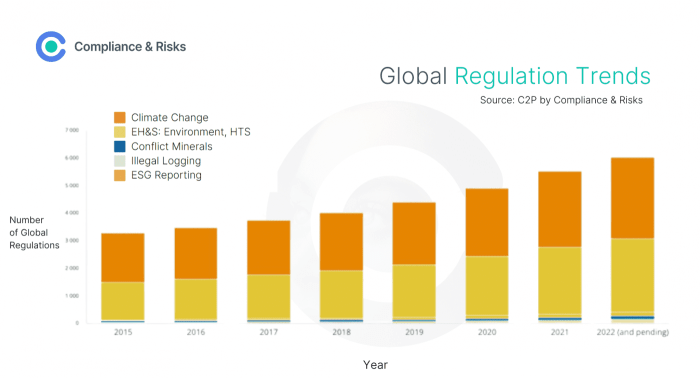
Emerging environmental regulations, such as stricter emissions standards, extended producer responsibility laws, and mandates for sustainable sourcing, are poised to have a significant impact on businesses. Companies will need to be agile and proactive in adapting their operations to meet these evolving legal requirements, often seeing them as opportunities for innovation rather than just compliance burdens.
The rise of sustainable finance and green bonds is another key trend. These financial instruments allow companies to raise capital specifically for projects that have environmental or social benefits, such as renewable energy installations or affordable housing developments. This provides a clear financial incentive for businesses to invest in sustainability.
Innovative business models centered around sustainability are gaining traction. This includes the sharing economy, product-as-a-service models, and businesses focused on the circular economy, where waste is minimized and resources are kept in use for as long as possible. Companies like those offering repair services for electronics or subscription models for durable goods are prime examples.
Technology is a powerful enabler for accelerating ESG adoption. Artificial intelligence can optimize energy usage and supply chain logistics, blockchain can enhance transparency in supply chains, and big data analytics can help companies measure and report their ESG performance more effectively. The Internet of Things (IoT) is also enabling real-time monitoring of environmental conditions and resource consumption.
Looking ahead to the next five years, we can speculate on several key developments. We’ll likely see a greater integration of ESG metrics into executive compensation, a surge in demand for standardized ESG data and assurance services, and a more sophisticated understanding of climate-related risks and opportunities. Furthermore, the concept of “impact investing” will mature, with a stronger focus on measurable positive outcomes beyond financial returns. Businesses that proactively embrace these trends will not only mitigate risks but also unlock new avenues for growth and competitive advantage.
Charting Your Course: Implementing Sustainability and ESG
Embarking on a sustainability and ESG journey requires a clear strategy, measurable goals, and effective communication. While challenges are inevitable, a systematic approach can help businesses successfully integrate these principles into their core operations and long-term vision.
A Roadmap to Sustainable Business Practices
Developing a corporate sustainability strategy typically involves several key steps. It begins with a thorough assessment of the company’s current impact and risks, followed by setting a clear vision and defining priority areas based on stakeholder input and business relevance. This is then translated into actionable initiatives and integrated into existing business processes.
Setting measurable ESG goals and targets is crucial for tracking progress and demonstrating commitment. These goals should be specific, measurable, achievable, relevant, and time-bound (SMART). For example, a goal might be to reduce Scope 1 and 2 greenhouse gas emissions by 30% by 2030, or to achieve 50% gender diversity in leadership roles by 2028.
Businesses often encounter challenges when implementing ESG initiatives. These can include resistance to change, lack of internal expertise, data collection complexities, and upfront investment costs. Overcoming these hurdles requires strong leadership commitment, comprehensive employee training and engagement, investing in the right technologies, and fostering a culture of continuous improvement. Building cross-functional teams can also help break down silos and ensure holistic integration.
A sample communication plan for sharing ESG progress with internal and external audiences would involve identifying key messages, target audiences, communication channels, and a regular reporting cadence. Internally, this might include town hall meetings, newsletters, and intranet updates. Externally, it could involve annual sustainability reports, website updates, investor presentations, and social media engagement.
Consider a hypothetical case study of a mid-sized manufacturing company that faced increasing pressure from its customers and investors to improve its environmental footprint. The company developed a sustainability strategy that included investing in energy-efficient machinery, implementing a comprehensive waste reduction and recycling program, and sourcing raw materials from suppliers with strong environmental certifications. They set clear targets for reducing energy consumption and waste generation. Challenges included the initial capital investment and training employees on new processes. However, through consistent communication about the benefits – cost savings, improved brand reputation, and enhanced operational efficiency – and by involving employees in the implementation, the company not only met its targets but also discovered new product development opportunities based on recycled materials, ultimately strengthening its long-term vision and market position.
Daily business news: Sustainability and ESG Trends in Business – As sustainability and ESG trends continue to shape the business landscape, it’s inspiring to see how responsible practices are becoming paramount. Understanding the nuances of Daily business news: Corporate Governance and Shareholder Issues empowers companies to build trust and drive long-term value. This focus on ethical operations directly reinforces the positive momentum of sustainability and ESG, fostering a brighter future for all.
Daily business news highlights the exciting evolution of Sustainability and ESG Trends in Business, demonstrating a powerful shift towards responsible growth. Embracing sustainability is no longer optional; it’s a strategic imperative for forward-thinking companies. Staying informed on these Daily business news: Sustainability and ESG Trends in Business empowers us all to build a brighter, more conscientious future.