
 Elizabeth
The Pulse of Progress: Navigating Daily Business Updates
In today’s fast-paced world, staying ahead means staying informed. Daily business news serves as the vital lifeblood for any organization aiming to thrive. It’s not just about knowing what’s happening; it’s about understanding the currents that shape markets and drive innovation. Embracing these updates empowers leaders to make sharper, more strategic decisions, turning potential challenges into opportunities.
The impact of being out of touch with daily business developments can be profound. Imagine a company unaware of a competitor’s sudden price drop on a key product. This oversight could lead to a significant loss of market share before the company even realizes what hit them. Similarly, missing a new technological trend might mean investing heavily in outdated infrastructure, a costly mistake in the long run. Daily business reports are packed with critical information, ranging from economic indicators and regulatory shifts to consumer sentiment and competitor activities. They offer a comprehensive snapshot, allowing businesses to anticipate market movements and adjust their strategies proactively.
Understanding the Landscape of Daily Business Updates
Staying informed about daily business developments is crucial for informed decision-making and strategic agility. Without a clear grasp of the current business landscape, companies risk making choices based on outdated information, leading to missed opportunities or costly missteps. The types of information typically found in daily business reports are diverse, encompassing economic data, market trends, competitor actions, and technological advancements. These reports are usually disseminated on a daily basis through various reliable sources, including financial news outlets, industry-specific publications, and reputable business intelligence platforms.
The Importance of Staying Informed
Keeping a finger on the pulse of daily business developments is akin to having a reliable compass in a vast and ever-changing ocean. It allows leaders to navigate complex market dynamics with confidence. Without this constant awareness, businesses operate in a vacuum, susceptible to unforeseen shifts and external pressures.
Impact of Lacking Current Business Awareness, Daily business news: Competitive Analysis Across Key Industries
A deficit in current business awareness can lead to several detrimental outcomes. For instance, a retail company unaware of a competitor’s aggressive promotional campaign might continue with its standard pricing, only to find sales plummeting. Another example is a tech firm that overlooks a breakthrough in artificial intelligence, continuing to develop products based on older technology, thus becoming obsolete before market entry. These scenarios highlight how a lack of timely information directly hinders effective decision-making.
Types of Information in Daily Business Reports
Daily business reports typically offer a rich tapestry of information. This includes:
- Economic Indicators: Updates on inflation, interest rates, employment figures, and GDP growth, which signal the overall health of the economy.
- Market Trends: Emerging patterns in consumer behavior, industry demand, and shifts in supply chains.
- Competitor Activities: News about product launches, pricing adjustments, marketing campaigns, mergers, and acquisitions by rival firms.
- Technological Advancements: Information on new innovations, disruptive technologies, and their potential impact on various sectors.
- Regulatory Changes: Updates on new laws, policies, and compliance requirements that could affect business operations.
Frequency and Sources of Reliable Information
Reliable daily business information is typically available on a daily basis. Key sources include:
- Major financial news networks (e.g., Bloomberg, Reuters, Wall Street Journal).
- Reputable business publications (e.g., Forbes, Harvard Business Review).
- Industry-specific trade journals and online platforms.
- Government economic reports and statistical agencies.
- Market research and intelligence firms.
Unveiling the Competitive Arena: Identifying Dynamics
Understanding the competitive landscape is not just about knowing who your rivals are; it’s about deeply comprehending their strategies, strengths, and vulnerabilities. This insight is paramount for formulating effective counter-strategies and identifying unique market positioning. Businesses that actively track their competitors are better equipped to anticipate market shifts and respond with agility, ensuring their own sustained growth and relevance.
Common Methods for Understanding Rivals
Businesses employ a variety of sophisticated methods to gain a comprehensive understanding of their competitors. These often involve a blend of direct observation, data analysis, and market intelligence gathering.
Tracking Competitor Product Launches and Pricing Strategies
The launch of a new product or a significant change in pricing by a competitor can be a major signal of their strategic direction and market intent. For instance, a competitor launching a premium version of their product might indicate a move to capture a higher-value segment of the market. Similarly, a sudden price reduction could signal a strategy to gain market share rapidly or clear out excess inventory. Monitoring these actions provides invaluable insights into their current focus and potential future moves.
Key Performance Indicators of Competitor Success or Struggle
Several key performance indicators (KPIs) can signal a competitor’s performance. These include:
- Revenue Growth: Consistent increases suggest successful market penetration and customer acquisition.
- Profit Margins: Healthy margins indicate efficient operations and strong pricing power.
- Customer Satisfaction Scores: High scores point to a loyal customer base and positive brand perception.
- Market Share: An increasing share signifies growing influence and competitive strength.
- Employee Turnover: High turnover can sometimes indicate internal challenges or a less attractive work environment, potentially impacting innovation and service delivery.
Observing Competitor Marketing Campaigns
Approaches to observing competitor marketing campaigns vary widely. Some businesses meticulously analyze the messaging, channels, and target audiences of competitor ads. Others might track social media engagement, press mentions, and public relations activities to gauge the reach and impact of these campaigns. The goal is to understand what resonates with customers and how competitors are attempting to build brand loyalty and drive demand.
Navigating the Shifting Tides: Examining Sector-Specific Trends
Every industry operates within its own unique ecosystem, influenced by a confluence of technological advancements, evolving consumer desires, and regulatory frameworks. Understanding these sector-specific trends is vital for any business looking to innovate, adapt, and maintain a competitive edge. Ignoring these dynamics can lead to obsolescence, as markets continuously reshape themselves in response to these powerful forces.
Technological Advancements Shaping Business Sectors
Technology is a relentless engine of change, fundamentally altering how businesses operate and deliver value across all sectors. In retail, e-commerce platforms and AI-powered personalization are redefining the shopping experience. The healthcare sector is being revolutionized by telemedicine, wearable devices, and advanced diagnostics. Manufacturing is embracing automation, robotics, and the Industrial Internet of Things (IIoT) to enhance efficiency and product quality. The financial industry is seeing the rise of fintech, blockchain, and digital currencies, transforming payment systems and investment opportunities.
Emerging Consumer Preferences Influencing Industries
Consumer preferences are not static; they evolve with societal changes, increased awareness, and new lifestyle choices. For example, a growing demand for sustainability is pushing the food and beverage industry towards eco-friendly packaging and ethically sourced ingredients. In the automotive sector, a shift towards electric vehicles (EVs) and shared mobility services reflects a desire for greener transportation and greater convenience. The entertainment industry is witnessing a surge in demand for personalized content and on-demand streaming services, moving away from traditional broadcast models.
Regulatory Changes Affecting Business Environments
Government regulations play a significant role in shaping business operations and market dynamics. Changes in data privacy laws, such as GDPR and CCPA, have compelled businesses across all sectors to re-evaluate their data collection and usage practices. Environmental regulations are driving industries to adopt cleaner production methods and reduce their carbon footprint. Labor laws and minimum wage adjustments can impact operational costs and staffing strategies. Understanding and anticipating these regulatory shifts is crucial for compliance and strategic planning.
Potential Economic Indicators for Different Market Segments
Different market segments are influenced by a unique set of economic indicators. For example:
- Technology Sector: Venture capital funding, R&D spending, patent filings, and adoption rates of new technologies.
- Real Estate Market: Housing starts, mortgage rates, consumer confidence in homeownership, and commercial property vacancy rates.
- Consumer Goods: Retail sales figures, consumer discretionary spending, household debt levels, and sentiment surveys.
- Energy Sector: Crude oil prices, natural gas prices, renewable energy investment, and geopolitical stability affecting supply.
- Automotive Industry: Vehicle sales, consumer credit availability, fuel prices, and manufacturing output.
Defining Your Footprint: Assessing Market Position and Strategy
In the competitive arena, knowing where you stand is as important as knowing where you’re going. Assessing a company’s market position involves a deep dive into its performance relative to its rivals and its ability to capture and retain customers. This understanding is the bedrock upon which effective strategies are built, enabling businesses to capitalize on their strengths and address their weaknesses.
Gauging Company Standing Within Respective Markets
Companies gauge their standing through a multifaceted approach. This includes analyzing market share, which quantifies their portion of total sales within a specific industry. Customer perception, often measured through brand surveys and net promoter scores (NPS), reveals how well the company is regarded by its target audience. Financial performance metrics, such as revenue growth, profitability, and return on investment, provide a quantitative measure of success. Furthermore, an evaluation of innovation capabilities and the strength of their distribution networks offers insights into their long-term competitive advantage.
Framework for Evaluating Competitor Customer Acquisition Strategies
To evaluate a competitor’s customer acquisition strategies, a structured framework is essential. This involves:
- Identifying Target Demographics: Understanding who the competitor is trying to attract.
- Analyzing Marketing Channels: Examining the platforms and methods used to reach these customers (e.g., digital advertising, social media, content marketing, partnerships).
- Assessing Value Proposition: Deciphering the key benefits and unique selling points the competitor offers to attract new customers.
- Evaluating Conversion Funnel: Observing the customer journey from initial awareness to purchase and post-purchase engagement.
- Benchmarking Acquisition Costs: Estimating the investment required to acquire a new customer compared to industry averages.
Adapting Offerings Based on Market Shifts
Businesses must be agile in adapting their offerings to align with evolving market demands. For example, a software company that notices a trend towards cloud-based solutions might pivot from desktop applications to SaaS models. A food manufacturer observing increased demand for plant-based alternatives would likely introduce new vegan product lines. This adaptability ensures continued relevance and customer satisfaction in a dynamic marketplace.
Interpreting Market Share Data for Competitive Advantage
Market share data is a powerful indicator of competitive advantage. A consistently growing market share suggests that a company’s products or services are resonating more strongly with customers than those of its competitors. It can indicate superior product quality, more effective marketing, better pricing, or a stronger brand reputation. Conversely, a declining market share signals potential issues that require immediate attention and strategic adjustment. For instance, if a company’s market share in a growing industry is shrinking, it suggests that competitors are outperforming them in capturing new demand.
The Art of Intelligence: Information Gathering and Synthesis
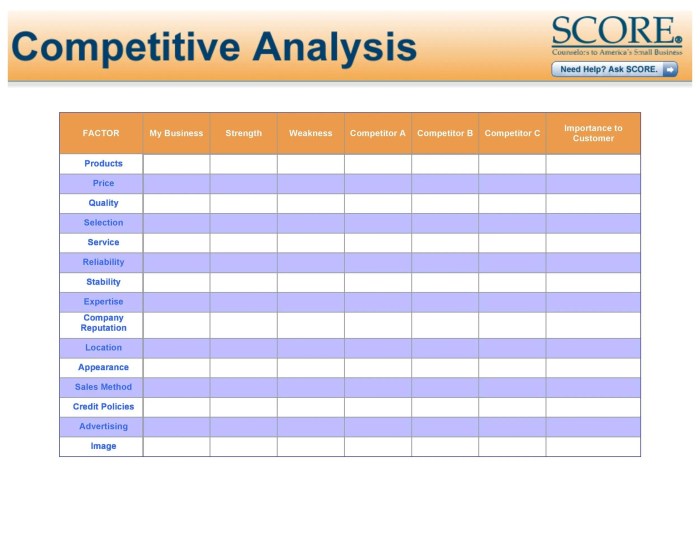
In the complex world of business, turning raw data into actionable intelligence is a critical skill. The ability to effectively gather, filter, and synthesize information from a multitude of sources allows companies to make informed decisions and maintain a strategic edge. This process requires a systematic approach, ensuring that the insights derived are relevant, reliable, and impactful.
Procedure for Collecting Relevant Industry News
A robust procedure for collecting industry news involves several key steps:
- Identify Core Information Needs: Define what specific types of information are most critical for your business objectives.
- Map Reliable Sources: Create a comprehensive list of reputable news outlets, industry publications, research firms, government reports, and social media channels relevant to your sector.
- Utilize Aggregation Tools: Employ news aggregators, RSS feeds, and specialized business intelligence platforms to centralize information streams.
- Set Up Alerts: Configure alerts for specific companies, technologies, or market trends to receive timely notifications.
- Regularly Review and Refine Sources: Continuously assess the quality and relevance of your sources, adding or removing them as needed.
Filtering and Prioritizing Information
Once information is gathered, the next crucial step is filtering and prioritization. This involves:
- Assessing Relevance: Determine how directly the information impacts your company’s operations, strategy, or market position.
- Evaluating Credibility: Verify the source of the information and cross-reference with other reputable outlets to ensure accuracy.
- Identifying Actionability: Discern which pieces of information require immediate attention or could lead to specific business actions.
- Categorizing by Impact: Group information based on its potential short-term versus long-term significance.
Summarizing Complex Industry Reports into Actionable Insights
Transforming lengthy and complex industry reports into digestible, actionable insights requires a focus on key takeaways. This often involves:
- Identifying the Core Problem/Opportunity: What is the central issue or potential benefit the report addresses?
- Extracting Key Findings: Pull out the most significant data points, trends, and conclusions.
- Highlighting Implications: Explain what these findings mean for your specific business or industry.
- Recommending Next Steps: Suggest concrete actions or areas for further investigation based on the insights.
For example, a report on the rise of AI in customer service might be summarized by highlighting its potential to reduce support costs by 20% and improve response times by 30%, suggesting an exploration into AI chatbot implementation.
Challenges of Maintaining an Objective Perspective
Maintaining objectivity when reviewing competitive intelligence is a significant challenge. Preconceived notions, confirmation bias (the tendency to favor information that confirms existing beliefs), and emotional responses to competitor successes or failures can cloud judgment. It’s vital to rely on data-driven analysis, seek diverse perspectives, and critically question all information, even that which aligns with your own expectations. Regularly debriefing with a team and employing structured analytical frameworks can help mitigate these biases.
Stories from the Frontlines: Illustrating Competitive Scenarios: Daily Business News: Competitive Analysis Across Key Industries
The business world is a dynamic stage where innovation, disruption, and adaptation are constant themes. By examining hypothetical and real-world scenarios, we can gain invaluable insights into how markets evolve and how businesses can best position themselves for success. These narratives serve as powerful learning tools, illustrating the principles of competitive strategy in action.
Scenario: New Entrant Disrupting an Established Industry
Imagine a burgeoning startup, leveraging cutting-edge AI and a direct-to-consumer model, entering the traditional automotive repair industry. Instead of brick-and-mortar garages, they offer mobile repair services facilitated by an app that diagnoses issues remotely and dispatches certified technicians. Their transparent pricing, online booking, and focus on customer convenience significantly undercut established players’ costs and inconvenience. This disruptive approach could rapidly capture market share, forcing established businesses to re-evaluate their service delivery models and embrace digital transformation to remain competitive.
Strategic Responses of Incumbents to Aggressive Competition
When faced with aggressive competition, established companies might adopt several strategic responses. One common approach is innovation and differentiation, where they invest in R&D to develop superior products or unique service offerings that competitors cannot easily replicate. Another strategy is cost leadership, focusing on operational efficiencies to lower prices and compete on value. Market segmentation is also employed, where incumbents might focus on specific customer niches or geographic areas where they hold a strong advantage. In some cases, strategic partnerships or acquisitions might be pursued to consolidate market power or acquire new capabilities. For example, a legacy software company might acquire a smaller, agile startup to quickly integrate new AI features into its existing product suite.
Business Leveraging a Niche Market Advantage
Consider a small artisanal coffee roaster that focuses exclusively on sourcing rare, single-origin beans from sustainable farms. They build a strong brand identity around quality, ethical sourcing, and a unique tasting experience. By catering to a dedicated segment of coffee enthusiasts willing to pay a premium for exceptional products, they carve out a profitable niche. Their marketing emphasizes the story behind each bean and the meticulous roasting process, creating a loyal customer base that values their specialization over mass-market alternatives. This focused approach allows them to thrive despite competition from larger coffee chains.
Impact of Unforeseen Global Events on Specific Sectors
The COVID-19 pandemic provides a stark illustration of how unforeseen global events can dramatically impact specific sectors. The travel and hospitality industry experienced a catastrophic downturn as lockdowns and travel restrictions halted operations. Conversely, the e-commerce and logistics sectors saw unprecedented growth as consumers shifted to online shopping. The pharmaceutical and healthcare industries were thrust into the spotlight, facing immense pressure to develop vaccines and treatments, leading to rapid advancements and shifts in investment. Such events underscore the importance of business resilience and the ability to pivot quickly in response to macro-level disruptions.
The Architect’s Blueprint: Structuring Competitive Intelligence Reports
Effective competitive intelligence is not just about gathering data; it’s about presenting it in a clear, concise, and actionable manner. A well-structured competitive intelligence report serves as a vital tool for decision-makers, providing them with the insights needed to navigate the competitive landscape and formulate winning strategies. The goal is to transform complex information into a narrative that illuminates opportunities and potential threats.
Elements of a Comprehensive Report on Industry Competition
A comprehensive report on industry competition typically includes the following elements:
- Executive Summary: A brief overview of the key findings and recommendations.
- Market Overview: A snapshot of the industry, its size, growth rate, and key trends.
- Competitor Profiles: Detailed analysis of major competitors, including their strategies, strengths, weaknesses, market share, and recent activities.
- Key Competitive Dynamics: Identification of critical factors influencing competition, such as pricing, innovation, customer service, and regulatory environment.
- Emerging Threats and Opportunities: Assessment of potential disruptions, new entrants, and untapped market segments.
- Strategic Recommendations: Actionable advice for the company based on the intelligence gathered.
- Appendices: Supporting data, charts, and sources.
Use of Data Visualization to Present Competitive Trends
Data visualization is instrumental in making complex competitive trends understandable at a glance. Charts and graphs can effectively illustrate:
- Market Share Trends: Line graphs showing the evolution of market share for key players over time.
- Pricing Comparisons: Bar charts comparing the pricing of similar products or services across competitors.
- Growth Projections: Forecasted growth rates for different market segments or competitor segments.
- Customer Sentiment Analysis: Word clouds or sentiment scores derived from social media and customer reviews.
- Product Feature Comparisons: Matrix charts highlighting the presence or absence of key features in competitor offerings.
For example, a visual representation of competitor product launch timelines can quickly reveal periods of intense competitive activity.
Template for a Weekly Summary of Key Competitive Activities
A weekly summary should be concise and focus on the most impactful recent developments. A possible template:
Week of: [Date Range]
Key Competitor Moves:
- [Competitor A]: Launched [Product/Service] targeting [Customer Segment]. Potential impact: [Brief analysis].
- [Competitor B]: Announced [Partnership/Acquisition] with [Partner Company]. Strategic implication: [Brief analysis].
- [Competitor C]: Implemented [Pricing Change/Marketing Campaign]. Expected outcome: [Brief analysis].
Emerging Trends/Signals:
- [Trend/Signal]: [Brief description and potential impact].
Actionable Insights/Considerations:
- [Recommendation 1]
- [Recommendation 2]
Incorporating Qualitative Insights into Quantitative Data
Quantitative data, such as market share percentages or revenue figures, provides a solid foundation. However, qualitative insights—such as customer feedback, expert opinions, or observed strategic shifts—add crucial context and depth. For instance, quantitative data might show a competitor’s sales increasing, but qualitative analysis, like customer reviews highlighting superior customer service, can explain *why* that growth is occurring. Combining these elements provides a more holistic and accurate understanding. For example, a report might state that a competitor’s market share grew by 5% (quantitative), but customer testimonials reveal this is due to their new, highly intuitive user interface (qualitative).
Inclusion of Hypothetical Scenarios and Potential Outcomes
Hypothetical scenarios are powerful for strategic planning. They allow businesses to explore “what if” situations and prepare for various futures. For example, a scenario could explore: “What if a major competitor enters our market with a significantly lower price point?” The report would then Artikel potential competitor actions, our company’s likely responses, and the potential market outcomes for each response. This proactive approach helps build resilience and agility, enabling the organization to react more effectively should such a scenario materialize.
Daily business news: Competitive Analysis Across Key Industries – Understanding the competitive landscape across key industries is vital for success. To truly excel, consider how informed decisions in Daily business news: Wealth Management and Asset Allocation Insights can empower your strategic approach. This knowledge fuels a deeper understanding of market dynamics, ultimately sharpening your competitive analysis across all key industries.
Staying informed through daily business news and competitive analysis across key industries empowers us to navigate challenges. Understanding market volatility is crucial for strategic planning, allowing us to adapt and thrive. This insight strengthens our daily business news approach, ensuring we always make informed decisions.